


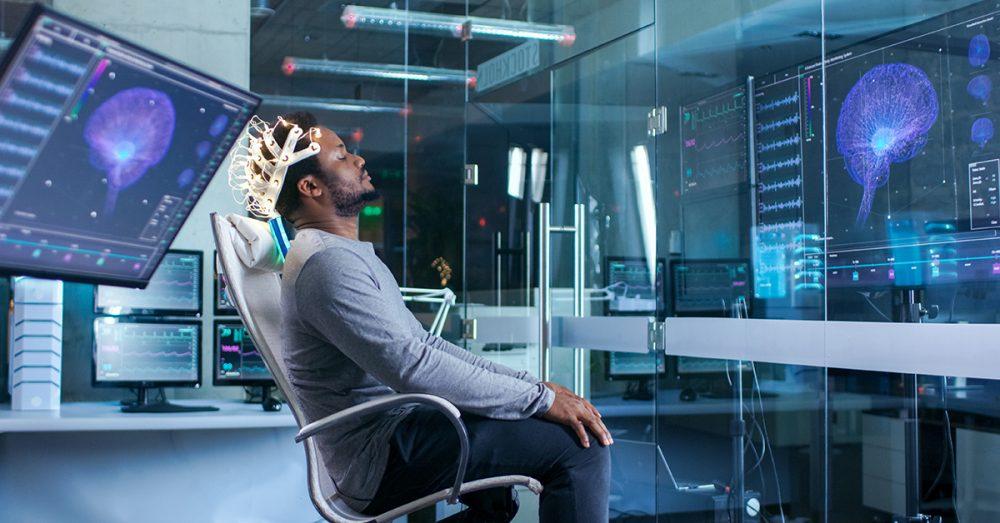
For anyone invested in the deep future of medicine, technology, and human potential, a clear-eyed view of the Brain Computer Interface Market Forecast is essential. The long-term projection is one of steady, methodical growth, driven by profound medical needs and supported by significant, long-term investment in fundamental research. This is not a market that will explode overnight; it is a field where progress is measured in decades and where the challenges are immense. The forecast points to a future where BCI moves from being a purely experimental technology in research labs to a life-changing clinical reality for a growing number of patients, and eventually, to a technology that could augment human capabilities in ways we are only just beginning to imagine. This forward-looking perspective is vital for setting realistic expectations and for guiding the patient, ethical, and strategic development of this powerful technology.
In the short-to-medium term, the market forecast will be dominated by clinical progress and regulatory milestones. The primary focus will be on the successful completion of human clinical trials for invasive BCI systems and the quest to gain the first FDA approvals for a commercial implantable BCI for medical use. The success or failure of the trials being conducted by companies like Synchron and Neuralink will have a huge impact on the market's near-term trajectory and on investor sentiment. The Brain Computer Interface Market is Expected to Grow USD 4.07 Billion By 2035, Reaching at a CAGR of 7.80% During the Forecast Period 2025 - 2035. During this period, we will also see continued incremental improvements in non-invasive EEG technology, making it more user-friendly and more powerful for research and niche consumer applications, which will contribute to steady market growth.
Looking further ahead, the long-term forecast points to an expansion of BCI applications beyond motor control to sensory restoration and the treatment of a wider range of neurological and psychiatric conditions. The development of bidirectional BCIs will be a major theme, with a focus on restoring sight to the blind through visual cortex stimulation and restoring a sense of touch to prosthetic limbs. There is also significant long-term research interest in using BCI for therapeutic purposes, such as using closed-loop neurostimulation to treat conditions like epilepsy, Parkinson's disease, or even severe depression. As the technology matures and our understanding of the brain deepens, the range of potential medical applications will continue to grow, creating a massive long-term market opportunity.
In conclusion, the market forecast for brain-computer interfaces is one of cautious, long-term optimism. This is a marathon, not a sprint. For the companies in this space, success will depend on deep scientific expertise, patient capital, and the ability to navigate a very high regulatory bar. For society, the key challenge will be to have a robust and ongoing public conversation about the profound ethical implications of this technology. The path to a future where our brains are seamlessly connected to computers will be long and filled with challenges, but the potential to alleviate human suffering and to unlock new frontiers of human experience is so profound that it will continue to drive a dedicated global effort to turn this science fiction vision into a reality.
Explore More Like This in Our Regional Reports:
Europe Open Source Intelligence (Osint) Market Size
France Open Source Intelligence (Osint) Market Size

 English
 Arabic
 French
 Spanish
 Portuguese
 Turkish
 Dutch
Dutch
 Italiano
 Russian
 Romaian
 Portuguese (Brazil)
 Tiếng Việt