


Introduction
Arcade games have been a cornerstone of entertainment for decades, blending nostalgia with fast-paced fun. From classic pinball machines to cutting-edge digital experiences, these games continue to captivate players of all ages. In this guide, we’ll explore the world of arcade games, their history, types, and why they remain relevant today.
What Are Arcade Games?
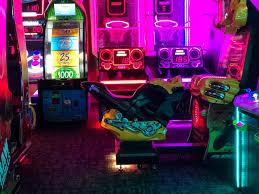
Arcade games are coin-operated entertainment machines typically found in public places like amusement parks, malls, or dedicated arcades. They are designed to provide short bursts of fun, often with competitive scoring to keep players engaged. Over time, arcade games have evolved from mechanical contraptions to highly advanced digital setups.
Key Features of Arcade Games:
-
Short, engaging gameplay sessions
-
Competitive scoring systems
-
Visually stimulating designs
-
Physical controls like joysticks and buttons
A Brief History of Arcade Games
The origins of arcade games date back to the early 20th century with mechanical games like pinball. The 1970s and 1980s marked the golden era of video arcade games, with iconic titles like Pac-Man, Space Invaders, and Donkey Kong becoming household names. These games were more than just entertainment—they influenced pop culture, inspired merchandise, and even shaped the gaming industry.
Popular Types of Arcade Games
Arcade games come in a variety of genres, each catering to different tastes and playing styles.
1. Classic Video Games
These are the traditional games that defined the arcade era. Players often navigate mazes, shoot enemies, or solve puzzles within a time limit.
2. Pinball Machines
Mechanical and digital pinball machines challenge players’ reflexes and precision. Each game has unique themes and layouts, keeping the gameplay fresh.
3. Racing Games
Arcade racing games simulate driving experiences with realistic steering wheels, pedals, and immersive visuals, making players feel like professional racers.
4. Shooting Games
From light guns to touchscreen shooters, these games test players’ aim and speed. Many are designed for cooperative or competitive multiplayer experiences.
5. Redemption Games
These games reward players with tickets based on their performance. Tickets can be exchanged for prizes, adding an extra layer of motivation and excitement.
Why Arcade Games Are Still Popular Today
Even with the rise of home consoles and mobile gaming, arcade games continue to attract audiences for several reasons:
-
Social Interaction: Arcades provide a communal gaming experience.
-
Nostalgia: Classic games evoke fond memories for older generations.
-
Unique Physical Experience: The tactile controls and immersive setups can’t be replicated at home.
-
Instant Fun: Arcade new york style pizza near me are designed for quick, satisfying gameplay sessions.
Tips for Getting the Most Out of Arcade Gaming
-
Choose Your Game Wisely: Pick games that match your skill level and interests.
-
Practice: Many arcade games require precision and timing, so practice helps improve your score.
-
Set a Budget: Arcades are fun, but costs can add up—plan accordingly.
-
Play Socially: Compete or cooperate with friends for a more enjoyable experience.
The Future of Arcade Games
Modern arcade games are embracing technology like virtual reality, motion sensors, and interactive multiplayer platforms. This evolution ensures that arcade gaming remains relevant and exciting for future generations, blending nostalgia with innovation.
Conclusion
Arcade games are more than just entertainment—they are cultural icons that continue to bring joy to people worldwide. Whether you’re revisiting classic favorites or exploring the latest high-tech experiences, arcade games promise a fun and engaging escape from everyday life.
Check Out More Latest Articles: Click Here

 English
 Arabic
 French
 Spanish
 Portuguese
 Deutsch
 Turkish
 Dutch
Dutch
 Italiano
 Russian
 Romaian
 Tiếng Việt